

There is one moment that almost no company takes seriously: an employee's first day.
He arrives on time. Nervous. Eager to prove himself. He takes his seat, is given access to the systems, maybe a quick tour of the facilities, and that’s it. That’s all there is to it—nothing that says, “Welcome, this is who we are, this is what you represent when you put on our shirt.”
Companies spend months recruiting the right candidate. They invest in interviews, tests, and hiring processes. Yet on the first day—the moment when the first real impression is formed—they leave it to chance.
This comes at a cost. It doesn't always show up on the balance sheet, but it's real.
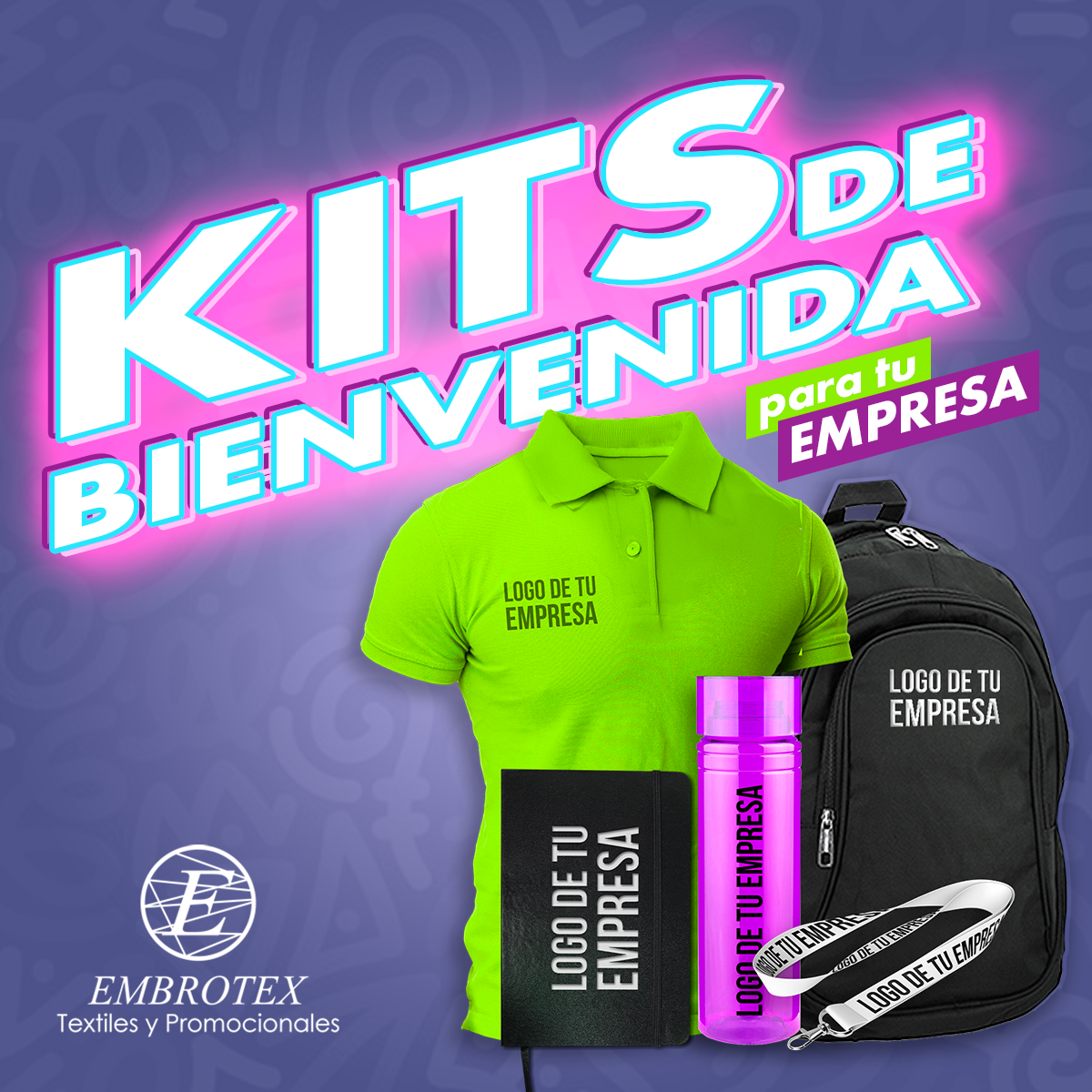
Giving someone a well-thought-out welcome kit is something else entirely—it’s more of a statement. It’s the first time the company tells someone, in a tangible way: You’re part of this now.
What a welcome kit is not:
- It's not a pencil with the logo on it.
- It's not just some generic white ceramic mug you can find anywhere.
- It’s not just a folder full of paperwork that the employee will file away in a drawer and never look at again.
That's just spending disguised as a thoughtful gesture.
Why this matters more than it seems
There is one fact worth keeping in mind: Employees who have a positive onboarding experience are much more likely to remain with the company after their first year.
And those who have identified with the brand from the start: they are more productive, adapt more quickly, and speak highly of the company to others.
When someone arrives on their first day and finds something that was designed just for them—something bearing the company’s name, well-made, and looking professional—the message is clear: things are done right here.
And that matters. In the early days, the new hire picks up on every signal the company sends.

What should a kit include to really work?
There’s no one-size-fits-all formula. It depends on the industry, the position, and the size of the company. But there are certain elements that almost always make sense:
- Uniforms or brand-name clothing.
It’s not optional—staff must have it from day one. An embroidered polo shirt, a dress shirt, whatever’s appropriate for the position. Make it clear from the start what someone from your company looks like.
- Everyday items with character.
A notebook, a pen, a thermos. These are items you’ll use—they’ll be on your desk, in meetings, and in your daily life. Every time you use them, you reinforce your connection to the company.
- Personalized item.
It doesn't have to be expensive. It could be a card with your name handwritten on it by your direct supervisor. A message from the director. Whatever it says, it conveys: we know who you are, not just what position you hold.
- Well-presented company information.
Not an 80-page PDF manual. A well-designed physical document that explains who they are, where they’re headed, and what’s expected of the people who work there.
What is the most common mistake?
Let each department handle it as best they can. In some companies, HR puts together the kit using whatever they have on hand; in others, the executive assistant does it; and in still others, there simply isn't one.
Let's also talk about the inconsistency. Sometimes a presentable kit arrives, and sometimes nothing arrives at all. All of this says something about the company, even if that's not the intention.
Companies that focus on projecting a positive brand image externally—at trade shows, events, and their own facilities—but neglect the experience of their own employees are (unintentionally) sending a strong message that can be misinterpreted.
A brand doesn't start with the customer; it starts within the brand itself.
How do companies that do it well handle this?
The answer is simple: they standardize. They define what the kit includes based on the job level. They have it ready before the employee arrives. They don't wing it.
They work with a supplier who understands corporate branding, not just products. There’s a difference between someone who sells you T-shirts and someone who helps you figure out how that T-shirt should look so it conveys the essence of your work.
And they review it from time to time. What worked three years ago may not reflect what the company is like today.
What this costs those who don't do it
High turnover in the first 90 days. Employees who take longer to settle in. An internal image that does not match the image the company projects to the outside world.
And something else that’s harder to measure but just as real: a talented person who arrives with high expectations and, on their first day, gets a sign that they might have chosen the wrong company.
That costs more than any kit.
In closing
If your company already has more than 100 employees and still doesn't have a standardized welcome kit, now is a good time to address this.
It's not a huge project. It's a decision.
At Embrotex, we work with companies that want their internal image to match their external image. From uniforms to the little touches included in the welcome kit.
If you’d like to discuss what would work best for your company, please email us at contacto@embrotex.com.mx or send us a WhatsApp message at 811.032.0558. At Embrotex, we’d be happy to help you with that.